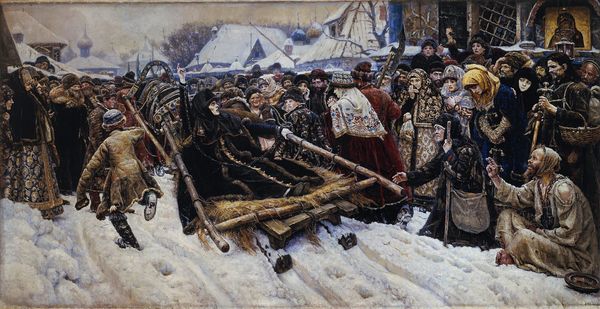
Boyarynya Morozova, or the Dissenter Killed for a Finger
On Surikov's woman in the snow, the thin line between stubbornness and conscience, and why a free order must shelter people who would never shelter it back. Where we would be standing?

On Surikov's woman in the snow, the thin line between stubbornness and conscience, and why a free order must shelter people who would never shelter it back. Where we would be standing?
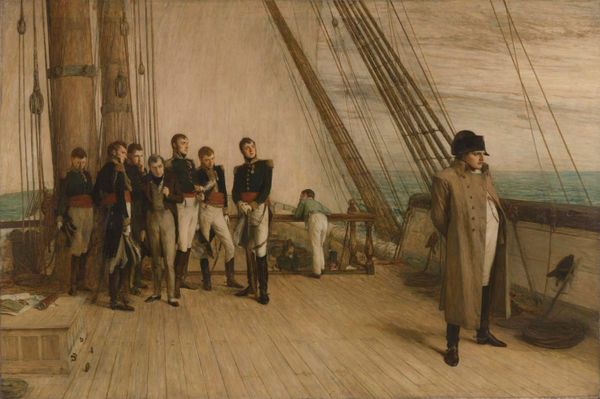
UK knighted them both. Popper, the philosopher of science who insisted we progress by proving ourselves wrong. Berlin, the historian of ideas who insisted that some moral conflicts never resolve. Together they compose what neither offers alone: pluralism with spine.
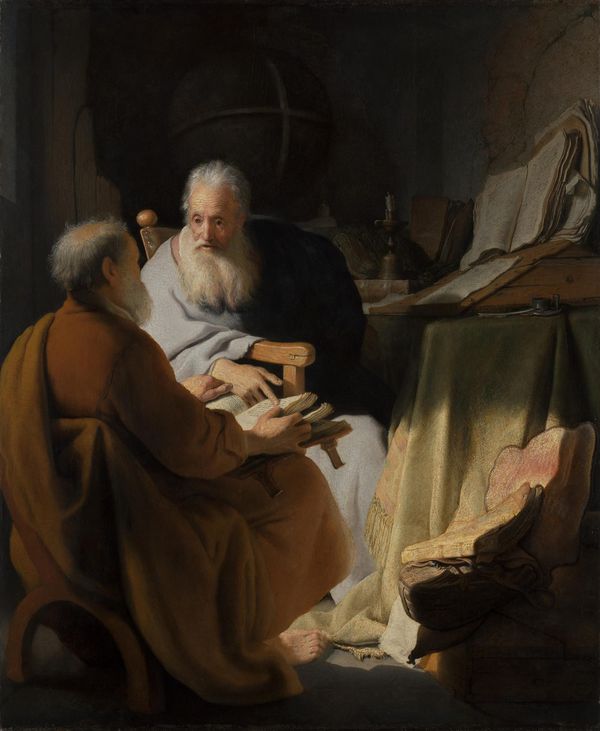
Both voices in that Munich dialogue have now fallen silent. What they proved still speaks: that the deepest disagreements are met not by tribal victory but by the willingness of each side to listen for what the other knows that it does not.
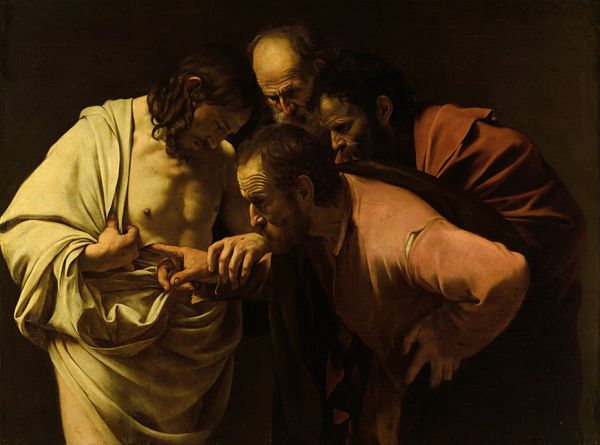
Ricœur called Marx, Nietzsche, and Freud the "masters of suspicion" and meant it as praise: they made it impossible to take consciousness at face value. When that method hardens into the only way of seeing, the question is no longer what suspicion reveals but whether anything can be affirmed at all.
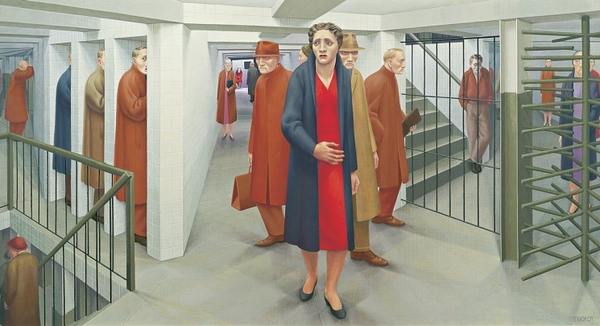
Fewer than four percent of Americans endorse political murder, yet each side believes over forty percent of the other does. This perception gap, not the violence itself, may be the graver threat to democratic life.

Rubio forced back into diplomatic speech a question the West has avoided because it became polarizing and uncomfortable: what, exactly, are we defending? Burke, Weil understood that societies survive not as contracts but only when they can speak of inheritance.

Epstein’s contempt for equal human worth was not incidental. The claim that every person bears inviolable dignity is a metaphysical limit, one that makes trafficking, eugenics morally unintelligible.
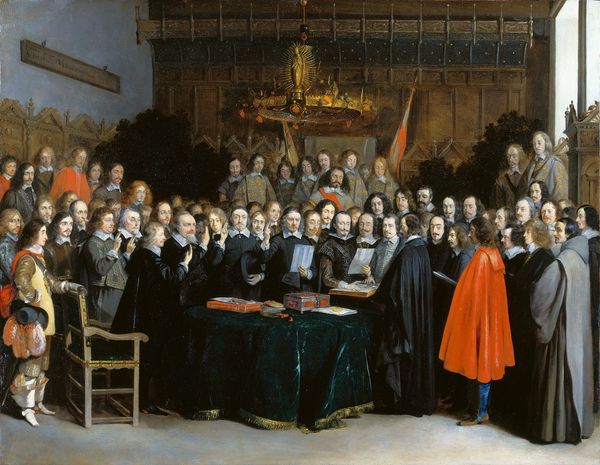
The oldest surviving international organization was built to manage a river, not to redeem mankind. That modesty remains the surest measure of institutional worth.
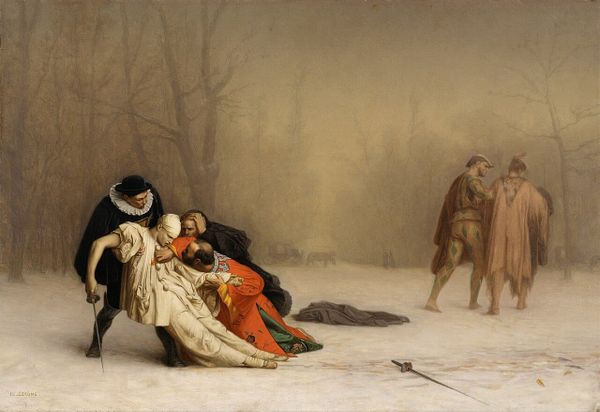
Modern empathy has grown bloodless: performed, procedural, and safe. We feel for others at a distance, mediated by screens and scripts. True compassion demands risk and presence. Not “How do you feel?” but “What can I carry with you?”
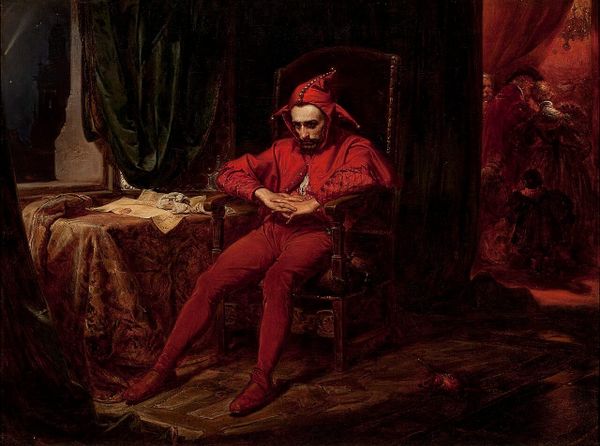
From Tacitus’s obsequium to Miłosz’s Persian-borrowed ketman and Havel’s greengrocer, political orders endure more by disciplined inattention, less by force. Preference falsification explains how societies sustain consensus no one truly believes.
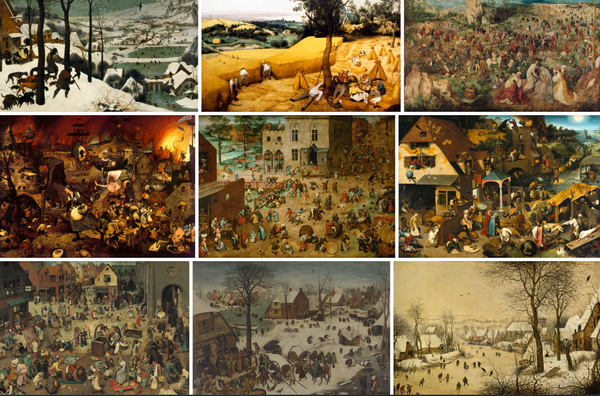
Bruegel’s paintings are maps of collective life, crowded, contradictory, and held together by rhythm rather than agreement. Long before modern theory, he showed how societies endure without resolving their differences.
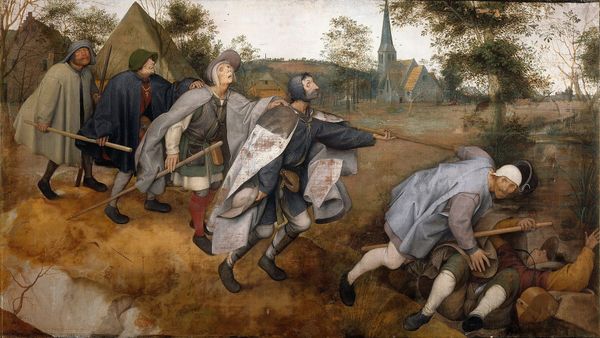
Freedom becomes unbearable not when it is heavy, but when we pretend it should be light. By fleeing responsibility, exposure, and disagreement, liberal societies do not escape weight—they invite it back as fear, control, and dependence.

Technology
As AI enters conflict resolution, it promises coherence, scale, and calm. What it cannot resolve is the human remainder: agency, legitimacy, moral responsibility, and the right to remain in conflict without closure.
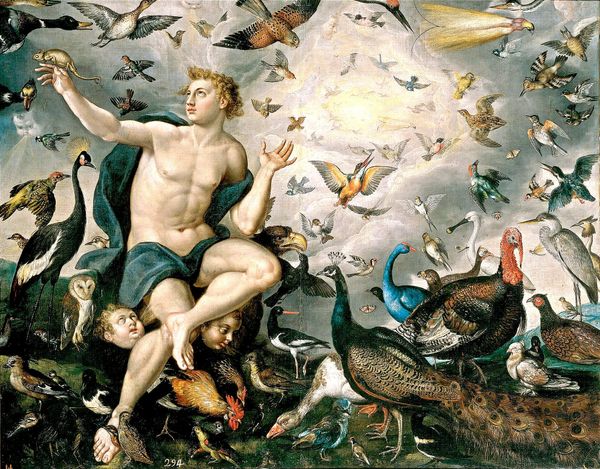
Conscience
Religious liberty is the first freedom to falter when democracy’s air turns thin. Its decline signals not the triumph of tolerance, but rather a quiet suffocation of conscience—the moment when pluralism gives way to moral uniformity, and the soul itself falls under supervision.
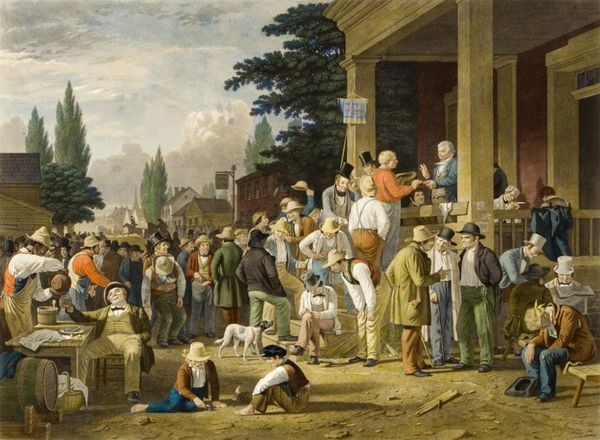
Cogitations
In a noisy pub back room, strangers argued, listened, and left thinking. No one won, no minds were remade. Yet something essential reappeared: the beauty of democracy, alive in the encounter and the simple dignity of talking across difference.

Freedom
In a world that worships the Hedgehog’s certainty, Berlin’s Fox endures—wary, wounded, and free. His agony is the price of plurality: to see the many truths the Hedgehog denies, and to live among them without surrendering to one.

Breaking with Marx
Apocalyptic politics, from Marx to recurrent historical doom, relieves us of responsibility by promising collapse as destiny. The antidote, as Burke and Aron knew, is prudence, the quiet art of governing without prophecy.
Polarization & Repair
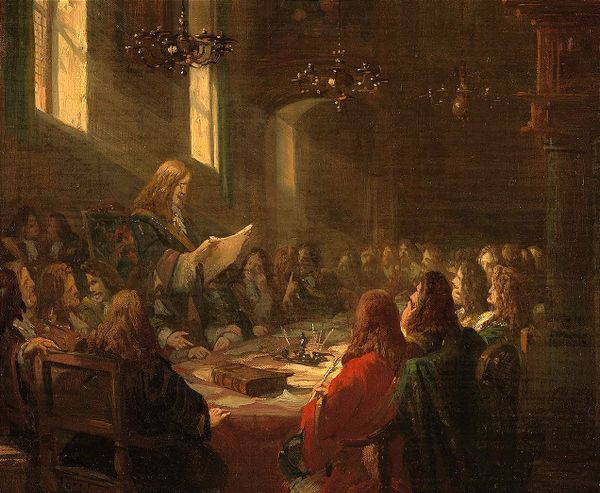
A 2024 Science study from Google DeepMind reveals an AI mediator that helped citizens reach fairer, clearer agreements than humans. What it uncovered was not machine superiority, but the quiet conditions under which understanding becomes possible.
Polarization & Repair
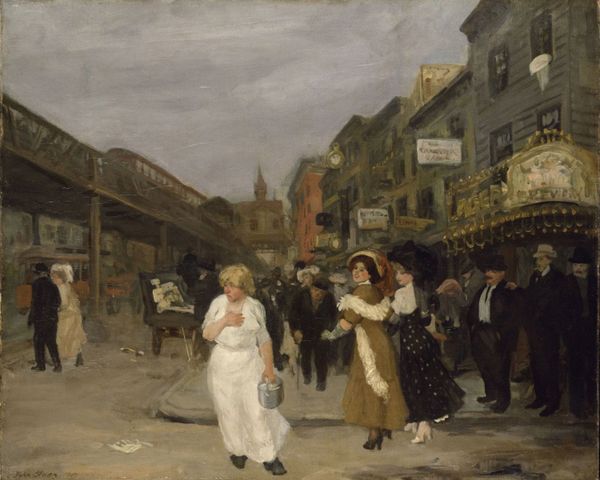
New York’s new mayor will have to embody two cities: one that dreams of justice, and another that counts the cost. Between compassion and competence lies the struggle that will define whether this age of belief becomes an age of folly.

Cogitations
Mill warned that freedom dies not by tyrants but by crowds. In On Liberty (1859), he saw consensus as the new despotism and solitude as freedom’s test: the courage to think without applause—no kings, no crowds, only the arduous liberty of the mind.

Polarization & Repair
Amid rising loneliness and moral fragmentation, Tocqueville’s “solitude of the hearts” and Weil’s “uprootedness” expose the deeper crisis beneath polarization: a humanity searching for belonging where its roots have thinned — yet still capable of replanting them in shared meaning and care.
Technology
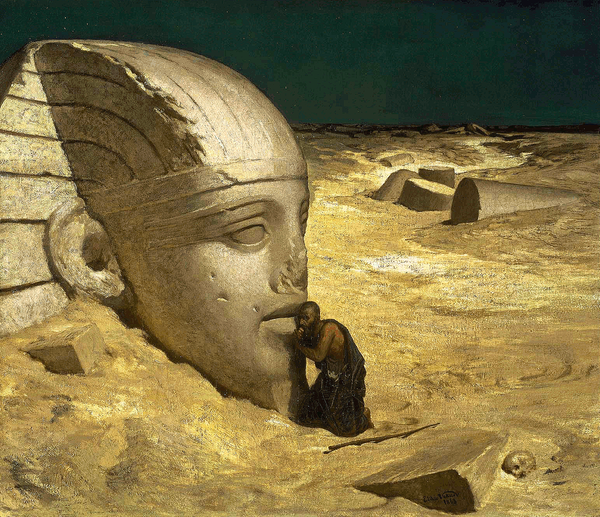
Alexander Karp’s The Technological Republic calls for a renewal of conviction equal to our power. In an age rich in intelligence but poor in purpose, he argues that freedom, beauty, and belief must once again guide what we build—and why.

Freedom
From Tocqueville in 1835 to Bellah in 1985, the question endures: can liberty survive when the habits of heart and mind that once joined freedom to virtue—through family, faith, and civic life—begin to dissolve into an “unencumbered self”?
Freedom
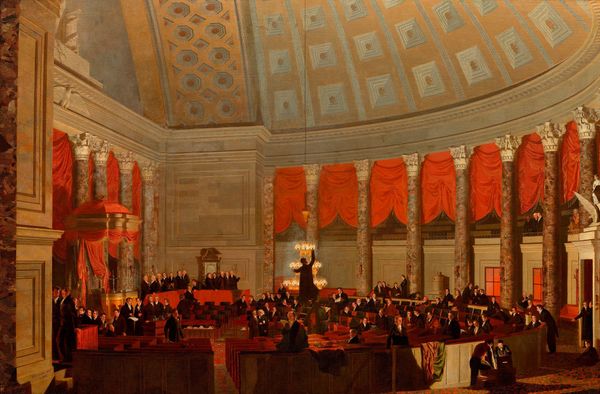
Madison and his peers built the American republic on realism, not idealism. They knew liberty endures only when power confronts power and institutions are shaped to reckon with human weakness, not presume virtue.