Music
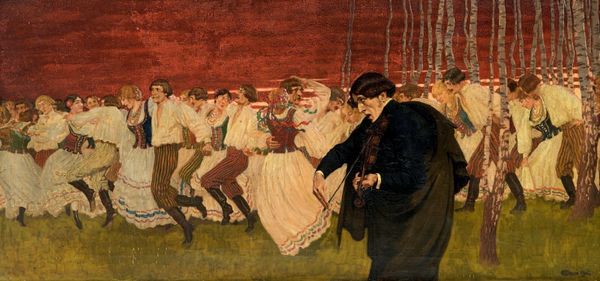
◳ The Soul of Poland in Music
Chopin called it żal—a sorrow that smiles through tears. From mazurkas to Paderewski’s anthems, Polish music became a form of sovereignty: beauty transfigured by suffering, melody as the nation’s survival.

Music
Chopin called it żal—a sorrow that smiles through tears. From mazurkas to Paderewski’s anthems, Polish music became a form of sovereignty: beauty transfigured by suffering, melody as the nation’s survival.

Faith and Reason
“Despotism may govern without faith, but liberty cannot. Religion is much more necessary in the republic which they set forth in glowing colors than in the monarchy which they attack; and it is more needed in democratic republics than in any others” (Alexis de Tocqueville, Democracy in America, 1831). The

Conscience
MacIntyre argued we live amid the fragments of a broken moral tradition. His remedy is stark: rebuild communities of practice where virtues can endure, even as larger culture drifts into incoherence.
Foreign Affairs
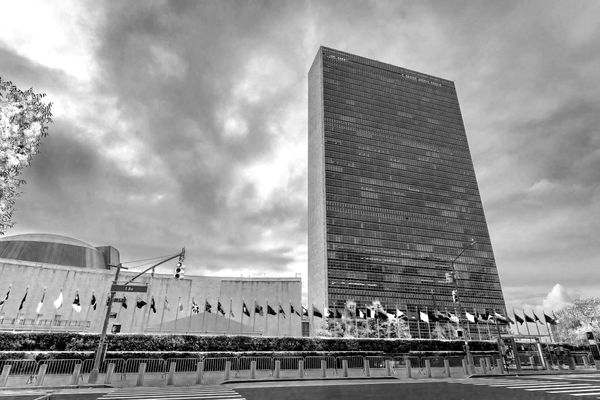
At 80, the UN faces not just a budget crisis but an epistemic one. Its only path to legitimacy lies in knowledge—rigorous, transparent, indispensable. Either it becomes an analytical superpower or drifts into irrelevance.
Poetry
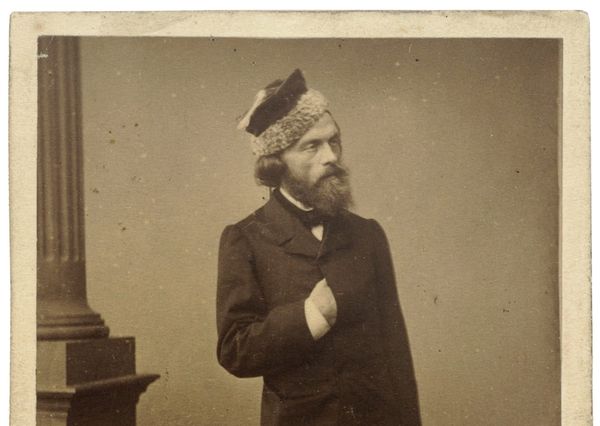
How a forgotten Polish exile became John Paul II’s moral compass—and why his austere vision of liberty matters for democracy today
Freedom
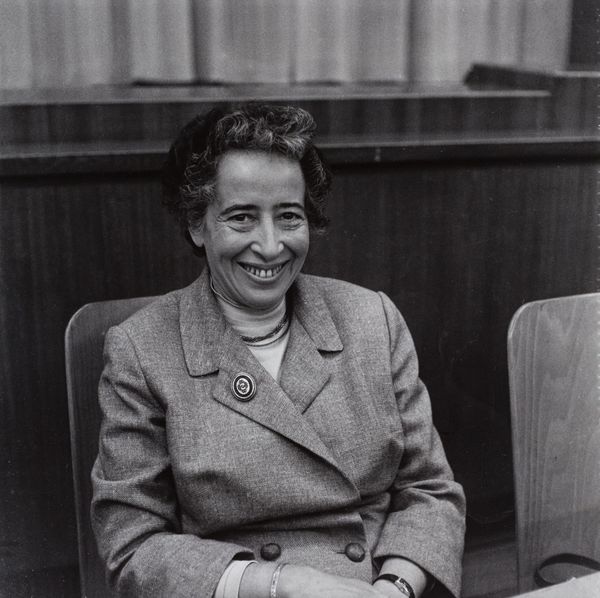
Hannah Arendt’s warning from 1958—humanity may conquer the stars yet lose the world beneath its feet—resounds in an era of automation, algorithms, and fragile political action. In 1958, Hannah Arendt published The Human Condition, a meditation written in the long shadow of totalitarianism and at the dawn

Freedom
What a “brain-rot summer” tells us about shared meaning, pluralism and democracy. In August 2025, Business Insider christened the season “brain-rot summer”: no runaway blockbuster, no dominant fashion note, and—tellingly—no “song of the summer.” Culture felt squishy, individualized, algorithmically sliced. The verdict named a discomfort many
Conscience
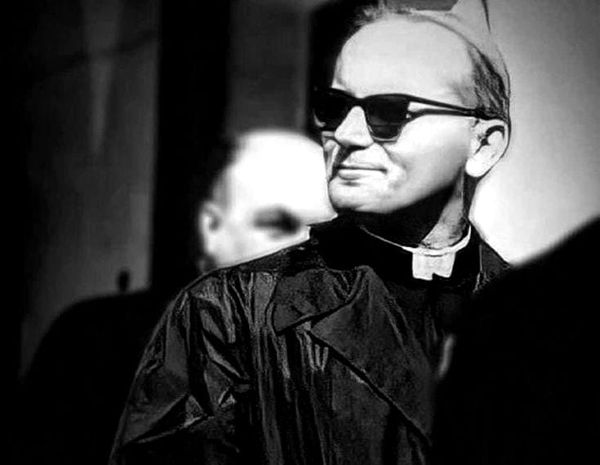
How a young Pole—orphan, laborer, actor, priest—armed his conscience with verse and learned to defend human freedom from Nazism, Communism, and our age of noise. In brutal times it is easy to think culture is a luxury. Karol Wojtyła (1920–2005) knew better. Before he became John Paul

Breaking with Marx
From Party prodigy to dissident sage, Kołakowski’s journey shows how the courage to doubt can be freedom’s deepest defense. Leszek Kołakowski (1927–2009) lived a life that could be read as the intellectual autobiography of the twentieth century itself: born in the ruins of war, drawn into Marxist
Breaking with Marx
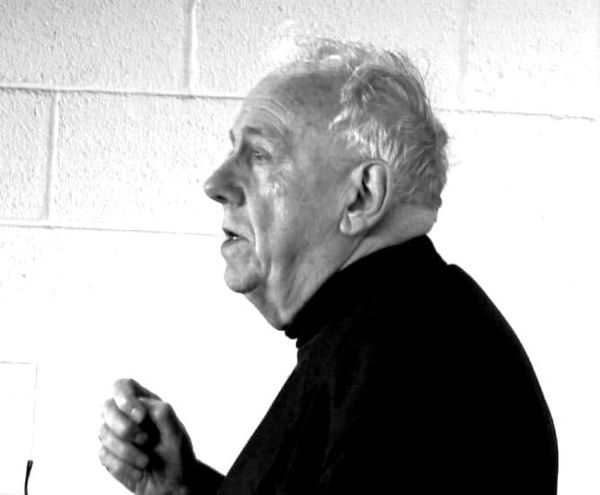
How one of the 20th century’s most radical philosophers abandoned Marxist utopianism for Aristotelian tradition and Thomistic faith. "I can only answer the question ‘What am I to do?’ if I can answer the prior question ‘Of what story or stories do I find myself a part?"
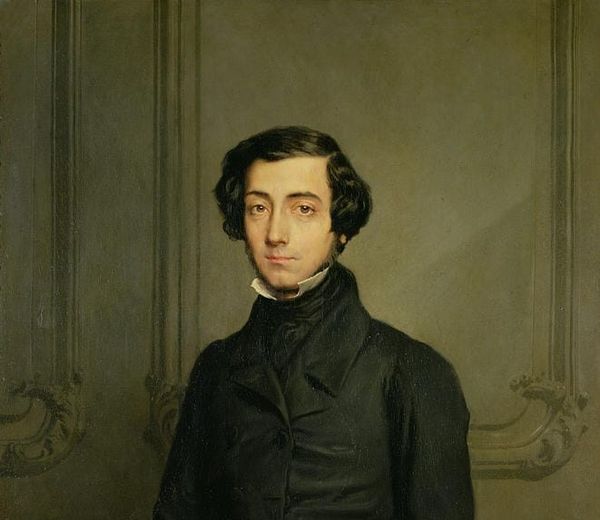
How the “tyranny of the majority” has migrated into our online public squares Tocqueville’s Tyranny of the Majority in the Digital Age When Alexis de Tocqueville published Democracy in America (1835), he warned of a new kind of despotism. The danger was not kings or emperors but the collective

Conscience
Hammarskjöld’s Markings shows that true leadership is rooted in humility, integrity, and service. His legacy reminds us that moral authority flows not from power, but from the courage to surrender self for others.