Cogitations
Are Moderates the Last Idealist?
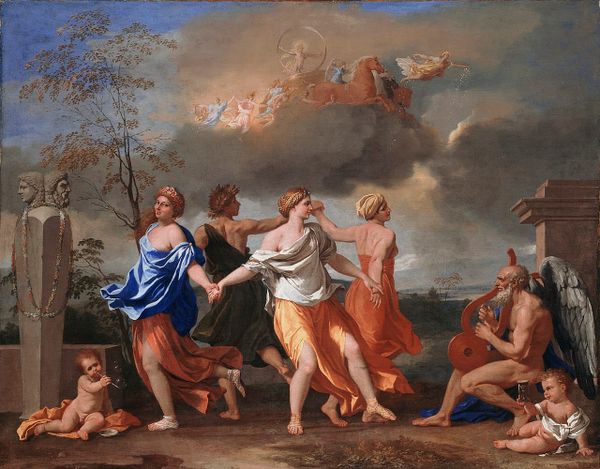
Moderation is the discipline that turns balance into strength—the art of holding firm between excess and apathy, reason and passion, liberty and order—so that freedom may survive its own fire.

Cogitations
Moderation is the discipline that turns balance into strength—the art of holding firm between excess and apathy, reason and passion, liberty and order—so that freedom may survive its own fire.
Polarization & Repair
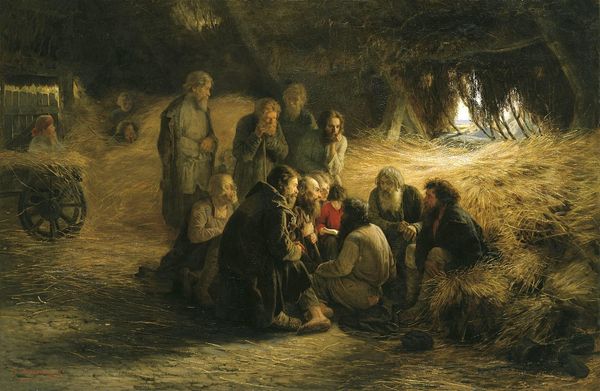
In an age where identity eclipses conscience, Karol Wojtyła reminds us that freedom begins not in belonging but in action. Civic renewal depends on recovering the person—the self that chooses, loves, and stands upright before truth.

Conscience
In closing The Open Society, Popper stripped history of its idols. No destiny guides it, no law redeems it—only the choices of free men and women. He asked us to believe in a harsher hope: that meaning begins where necessity ends.
Music
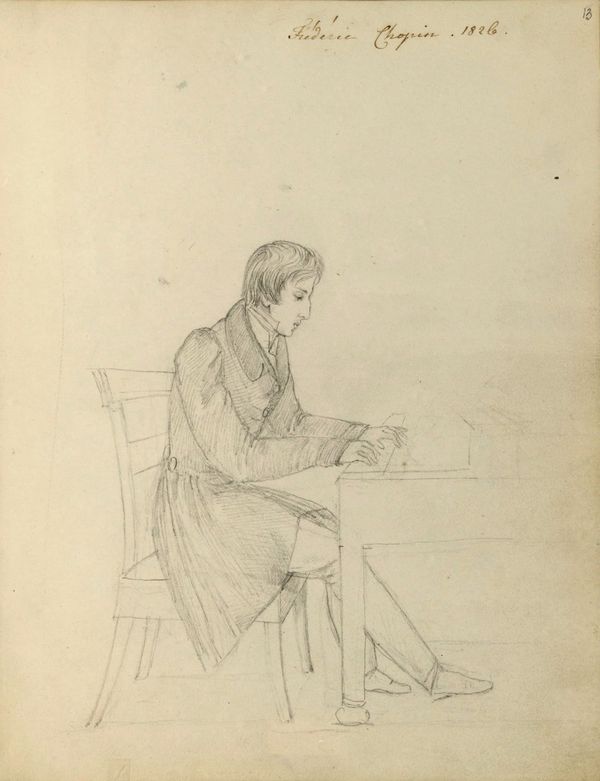
From a small Polish village to the world’s grandest stage, Chopin’s music continues to summon a fellowship of devotion. The XIX Competition and its winner, Eric Lu, remind us that beauty, like the human heart, is inexhaustible.
Conscience
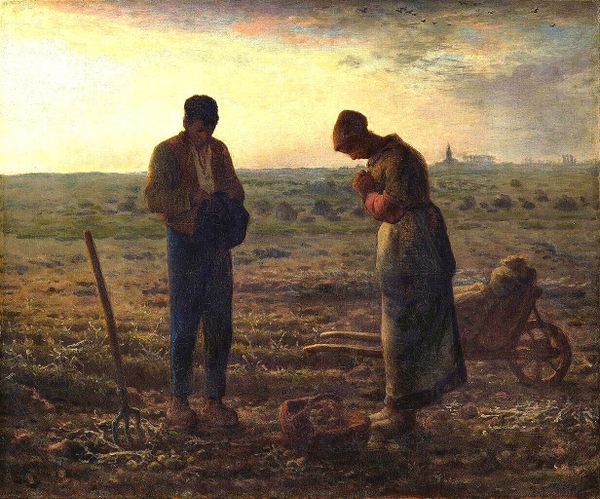
Weil called uprootedness the soul’s deepest wound—the loss of connection to truth and community. In our distracted age, her remedy still stands: begin from obligations, not appetites; guard truth as sacred need; attend until seeing itself becomes an act of justice.
Cogitations
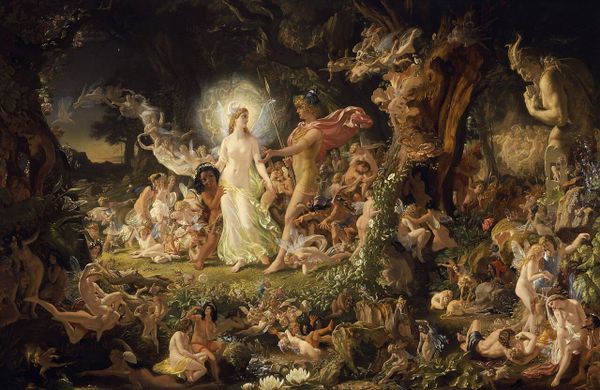
For all the laments, polarization offers clarity, identity, even pleasure. Until we confront its seductions, we risk a democracy not overthrown in crisis, but slowly hollowed—eroded by habits that reward division more than deliberation.
Polarization & Repair
Polarization is no longer just emotion or bias—it’s infrastructure. Built from attention, technology, and incentive, it sustains division by design. Understanding its machinery is the first step toward rebuilding the architecture of pluralism.

Technology
In new simulations, AI models act like diplomats with personalities: some urge peace, others push war—and their advice changes by flag. When machines start showing foreign-policy instincts, they reveal less about the future of AI than the prejudices of their human past.
Moral Courage
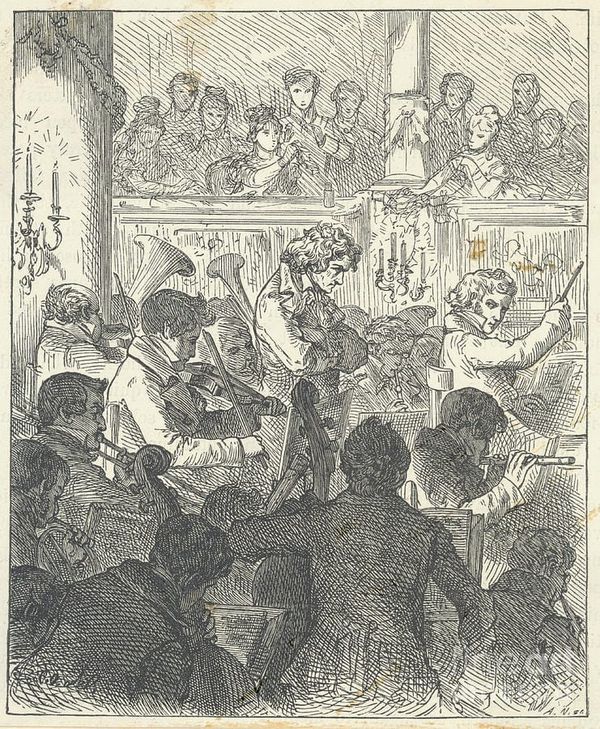
Beethoven’s Ninth turned suffering into universal harmony—a vision multilateralism once aspired to echo. Now, that moral music weakens under trends and slogans. Can the concert hall of nations recover its universal score—or will it simply binge what’s next?
Polarization & Repair
In a Paris drunk on revolution, Raymond Aron stayed lucid. His realism—clear, disciplined, unafraid of limits—remains democracy’s forgotten cure: to see without frenzy, act without illusion, and hope without intoxication.

Polarization & Repair
In an age when conviction performs louder than truth, The Art of Un-saying asks how we might recover conscience amid the noise. Drawing on Haidt and Solzhenitsyn, it offers six psychological practices to deprogram tribal rage and rediscover moral freedom.

Polarization & Repair
A culture that once fought to be free now fights to feel real. Having banished hierarchy, we discovered anxiety; having dethroned dogma, we enthroned the self. The task ahead is not rebellion but repair—the slow reconstruction of practices that let us live together again.